-
Welcome to the Walkerton Clean Water Centre
Cours disponibles
Demo 101
This is a demo course
- Trainer: Site Owner
- Étudiants inscrits: Il n’y a encore aucun étudiant inscrit à ce cours.
Sample
Description
- Étudiants inscrits: Il n’y a encore aucun étudiant inscrit à ce cours.
Basic Chemistry for Water Operators
Course Overview
This is a live virtual training session in the morning on both days with interaction between trainer and participants. Participants must be on an individual computer and have access to internet, a camera, microphone and access to Zoom, YouTube and Surveyplanet (links will be sent by chat during Zoom session). A Zoom link and a digital manual for this session will be emailed approximately one week prior to the session.Water treatment plants rely heavily on chemical processes and the chemical manipulation of parameters. Chemicals added at any point in the plant will affect the chemistry of water, and those effects must be evaluated for the next process in line in order to ensure that they are favourable for that specific process.
In this session basic chemistry principles related to the water industry will be reviewed, including definitions of common chemistry terms, symbols and formulas.
Key areas of study include a discussion of common chemicals used in water treatment, oxidation, ionization and electrolysis. Participants will examine alkalinity and hardness relationships, the chemistry of chlorination and chloramination, and the challenges associated with controlling taste and odour.
Target Audience
This course is directed to drinking water treatment operators at any level, from OIT through to Class 4.- Trainer: Site Owner
- Étudiants inscrits: 6
Advanced for Small Drinking Water Systems
This course reviews the duties and responsibilities of small drinking water system owners and operators under Ontario Regulation 319/08.Participants will learn about the different characteristics of drinking water sources, multi-step approach to treatment and maintenance of system equipment. This session will also review proper monitoring, sampling techniques and responding to water quality issues.
Date
Time
Location
30 Algonquin Blvd West.
TIMMINS, ON
Click Here for Map of Location
Duration
CEU Value
Cost
- Trainer: Don Draper
- Trainer: Site Owner
- Étudiants inscrits: Il n’y a encore aucun étudiant inscrit à ce cours.
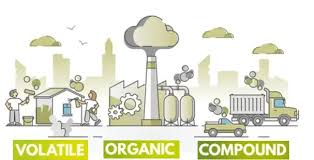
Volatile Organic Compound (VOC)
Volatile Organic Compounds (VOCs) are a large group of organic chemicals characterized by their ability to evaporate at room temperature. They are found in many products including paints, solvents, fuels, and cleaning agents, as well as in some natural sources like plants and wildfires.
Key Points about VOCs:
-
Sources:
- Anthropogenic: Industrial processes, vehicle emissions, household products (paints, varnishes, cleaning supplies), and fossil fuels.
- Natural: Vegetation (e.g., terpenes from trees), wildfires, and volcanic activity.
-
Health Impacts:
- Short-term exposure can cause headaches, dizziness, and respiratory issues.
- Long-term exposure has been linked to more serious health problems such as liver and kidney damage, and even cancer.
-
Environmental Effects:
- VOCs contribute to the formation of ground-level ozone and smog, which can harm the environment and human health.
- They also play a role in atmospheric chemistry and can impact climate change.
-
Regulation and Control:
- Many countries have regulations to limit VOC emissions from industrial processes and consumer products.
- Technologies and practices such as using low-VOC or VOC-free products, improving ventilation, and employing air purification systems help reduce VOC levels.
Understanding and managing VOCs is crucial for protecting both human health and the environment.
- Trainer: Jaya Bharti
- Trainer: Site Owner
- Étudiants inscrits: 1